Headache · Migraine

Do your temples or the back of your neck
still hurt after taking pain relievers?

If your jaw feels stiff along with a headache,
we can also look at where your teeth touch and at tension in the jaw and neck.

Migraine and headaches that start at the back of the neck can continue even when a brain MRI shows nothing abnormal. If you have jaw pain or clenching while continuing your headache care, our clinic assesses your bite and soft-tissue irritation and, where needed, may consider fine bite adjustment and a custom splint.

Book a Consultation ↗
A person pressing one hand to their temple, feeling the discomfort of a headache

01 · Symptom Check

From migraine that throbs like a heartbeat
to headache spreading from the back of the neck to the crown, it is important to look for the cause

The membrane surrounding the brain (the dura mater) and the nerves of the scalp are sensitive to pain. Even when detailed brain tests show no structural abnormality, the cause can be assessed according to the pattern of the headache. If jaw pain, clenching or neck tension appears with it, let us know at your visit.

  • Throbbing migraine and pain behind the eye

    One temple may pound like a pulse, with an ache reaching behind the eyeball, and you may become sensitive to even slight light or sound.

  • Pain radiating from the back of the neck and head

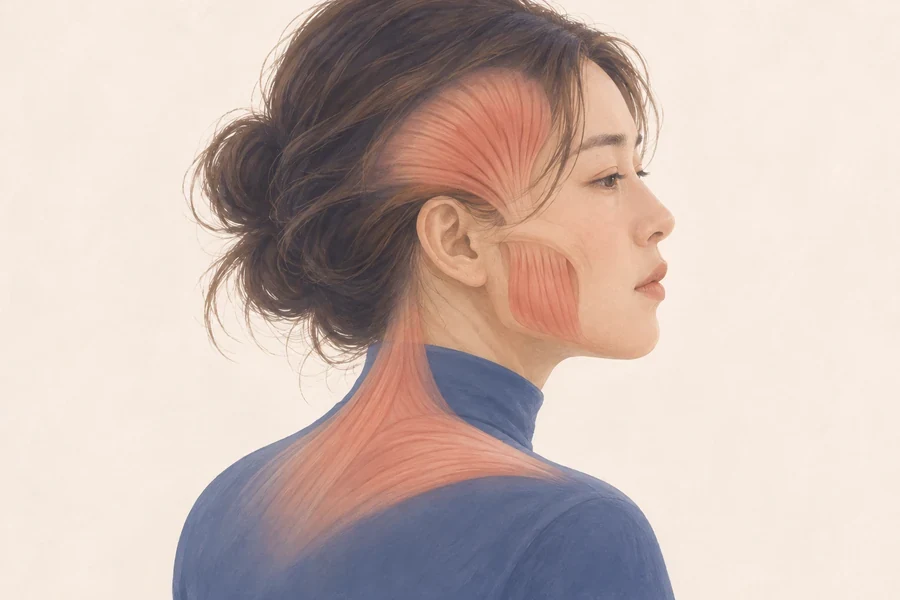
    Pain may repeatedly start at the back of the neck (the occipital region) and shoot in tingling waves over the back of the head and the crown to around the eyes.

  • With nausea and jaw stiffness

    When a headache comes on, you may feel queasy and nauseated, as with indigestion, and before or after an attack your jaw may feel stiff or you may sense that you are clenching without meaning to.

  • Recurrence after pain relievers or injections

    Headache and stiffness at the back of the neck can recur even after pain relievers, triptans, Botox or nerve blocks. Keep a record of when symptoms return and discuss it with your treating clinician.

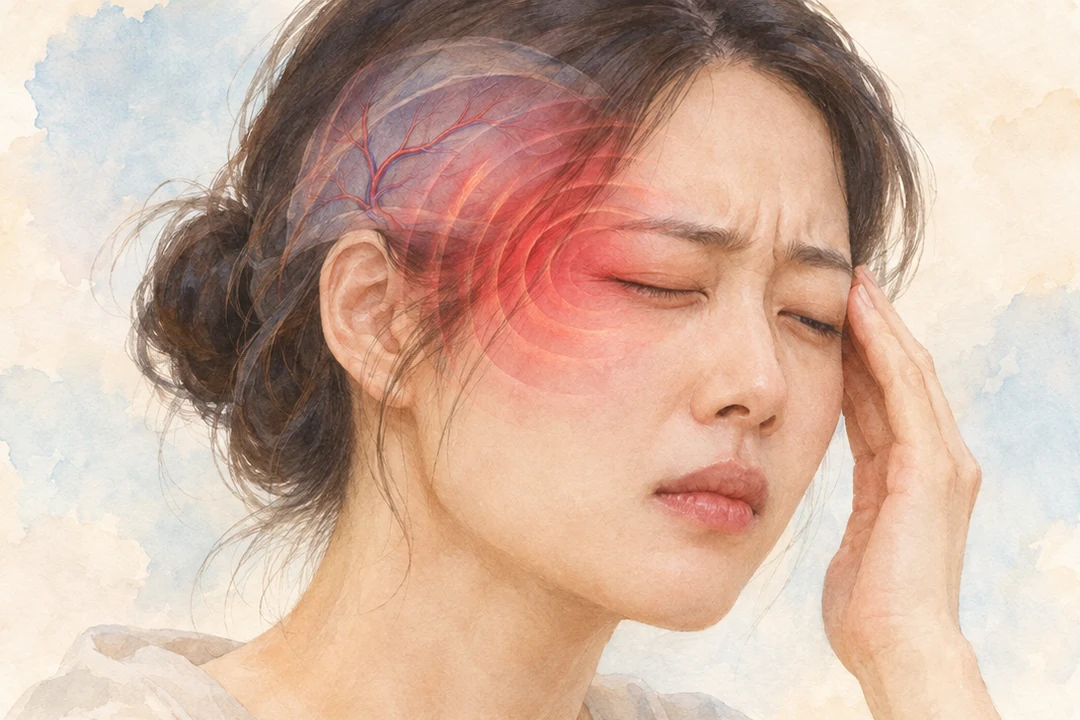
Drawing of pain spreading to the temple and behind the eye
Throbbing migraine at the temple and behind the eye
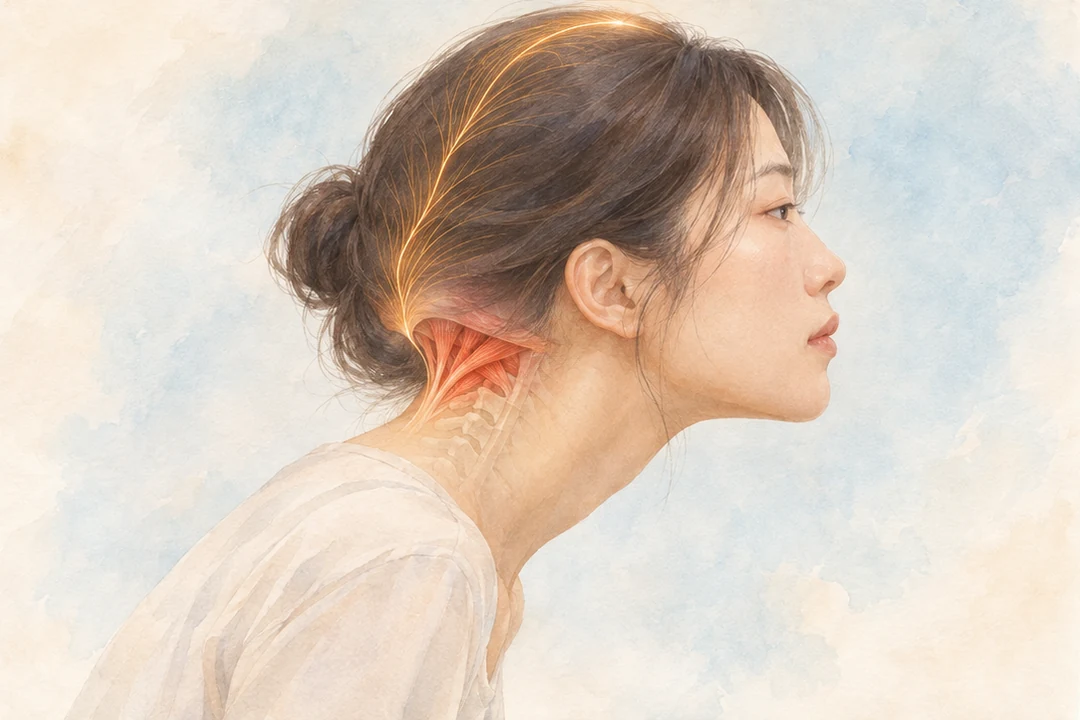
Drawing of pain running from the back of the neck over the back of the head to the crown
Stiffness at the back of the neck and pain radiating from the back of the head
If you have a sudden, severe headache,
or changes in speech, vision, or an arm or leg on one side

Call 119 (emergency services in Korea) or go to an emergency room first. Changes in consciousness, fever with a stiff neck and headache after a head injury also need prompt medical care. Do not wait for a dental consultation.

02 · Causes

We look at irritation of the teeth and jaw and tension at the back of the neck
together with the pattern of the headache

Migraine and pain that starts at the back of the neck can arise through different mechanisms. While looking at the pattern of the headache, we check whether soft-tissue irritation in the mouth, tooth contacts and discomfort in the jaw joint and neck muscles are present as well.

  1. Nerve trigger0.01 mm premature contacts and soft-tissue irritation

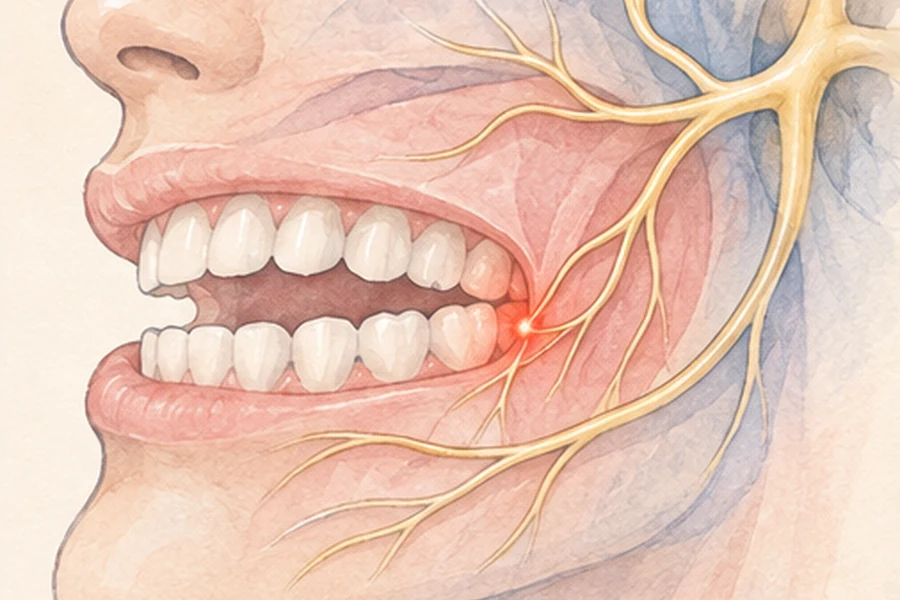
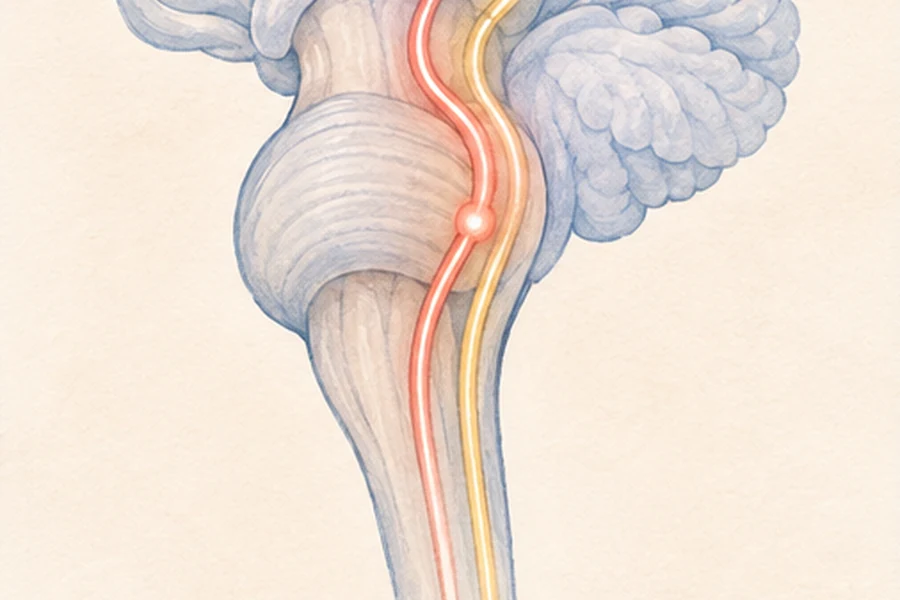
    When a tooth touches first, or a sharp tooth edge repeatedly touches the tongue and cheek lining, discomfort can develop in the mouth. Sensation from the mouth travels through the maxillary and mandibular branches of the trigeminal nerve (V2 and V3) to the brainstem. At our clinic, we assess whether this kind of local irritation appears together with jaw symptoms.

  2. Migraine mechanismOverexcitation of the trigeminovascular system

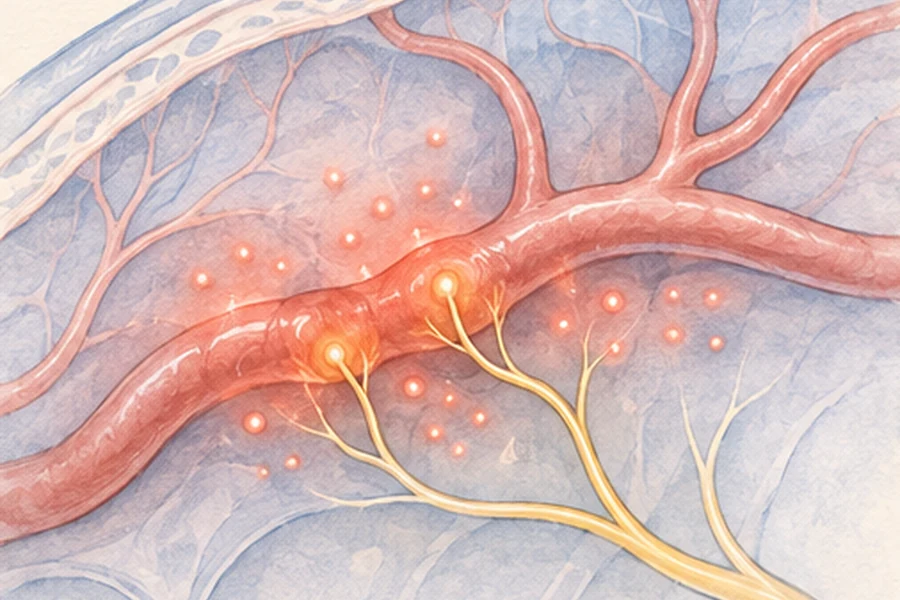
    Migraine involves the trigeminal nerve around the blood vessels of the dura mater and the pathways that process its signals. When this pathway is activated, neuropeptides such as CGRP are released and can affect blood vessels and pain signaling. Throbbing pain at one temple and behind the eye may appear.

  3. Headache from the back of the neckNeck muscle tension and greater occipital nerve entrapment

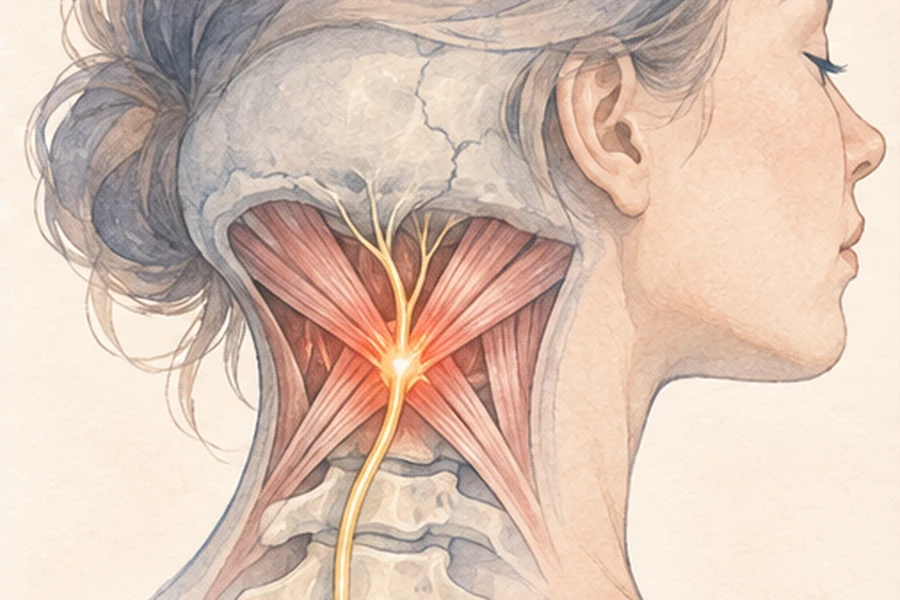
    Repeatedly holding the head forward can tense the muscles at the back of the neck. When the greater occipital nerve is irritated, a tingling pain can shoot from the back of the head to the crown. Tension-type headache, which feels pressing or tightening, and occipital neuralgia, which feels stabbing, are distinguished on the basis of the pattern of pain and examination findings.

03 · Problems That Can Develop

Recurring headaches can lead to medication overuse
and difficulty with everyday activities

When headaches recur, you may reach for pain relievers on more days, and sleep or concentration can become difficult. We also look at accompanying symptoms such as nausea, sensitivity to light and sound, and discomfort in the jaw and neck.

① Medication-overuse headache and strain on the stomach

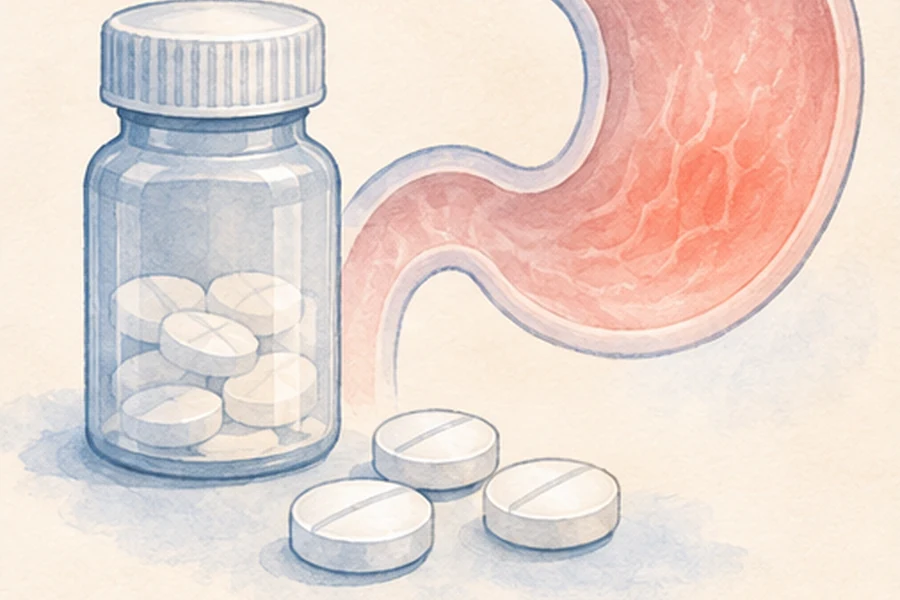
Frequent use of some acute headache medications can lead to medication-overuse headache. Depending on the type, medication can also be hard on the stomach, so keep a record of the days you take it and the names of the medicines, and discuss it with the clinician who prescribes them.
② Autonomic symptoms and sensitivity to light and sound

During a migraine attack, pain pathways involving the trigeminal nerve and several neural circuits are activated. Pain at the temple and behind the eye may be accompanied by nausea, vomiting and sensitivity to light or sound.

③ Brain fog and poorer sleep quality

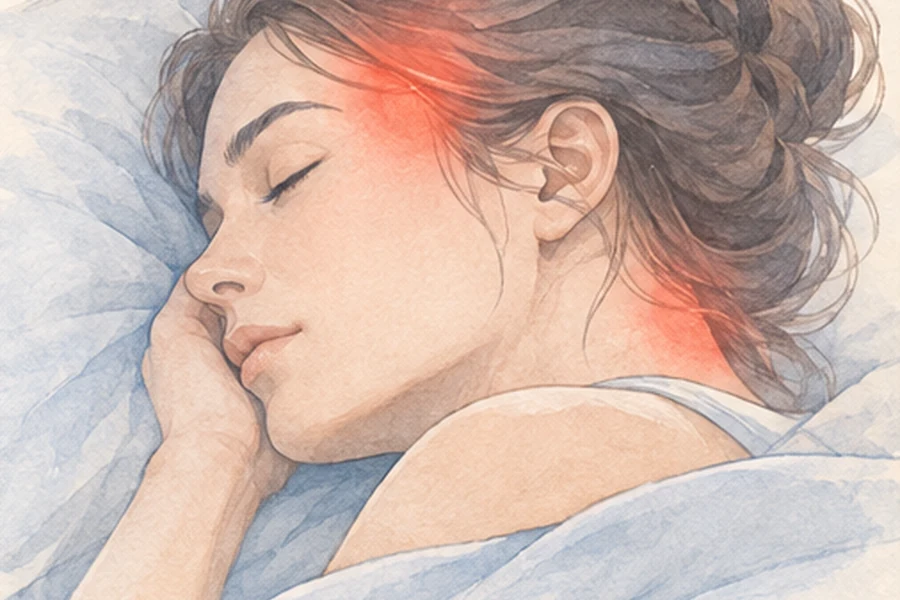
When headaches recur, sleep can be disturbed, and your head may feel heavy or it may be hard to concentrate even after sleeping. We also check when discomfort at the temples and the back of the neck gets worse.

④ Worsening of TMJ disorder and trapezius pain

Clenching and tension in the neck and shoulders can appear together with headache. If jaw joint noises, pain on opening the mouth or stiffness running from the back of the neck to the shoulders persists, we assess these symptoms together.

About dizziness and tinnitus ↗

04 · Limits of Conventional Approaches

If headaches keep recurring after treatment,
we look at accompanying jaw and neck symptoms

While you continue the existing care that suits your type of headache, we check whether discomfort in the jaw and neck keeps recurring with it.

Limits of pain relievers and CGRP-targeted injections

Triptans relieve acute migraine symptoms, and CGRP-targeted medications are used for prevention or acute treatment depending on the product. If headaches recur during treatment, review your medication use and diagnosis again with your treating clinician; accompanying jaw pain or soft-tissue irritation can be assessed separately at a dental clinic.

Limits of nerve blocks and neck massage

An occipital nerve block or treatment directed at the muscles at the back of the neck can help reduce pain, depending on your condition. If pain keeps recurring, the type of headache and the condition of the neck are checked again at a medical visit, and if you also have clenching or pain when chewing, the jaw joint is looked at as well.

05 · Treatment at Our Clinic

Two treatment plans to fit your visit schedule

We carefully assess where the teeth meet, how the jaw moves and where the soft tissue is irritated.
We choose an appliance based on those findings and on whether long-term visits are possible, and may combine it with fine bite adjustment as needed.

If long-term treatment is possible

Custom MCB Splint

+ Fine Bite Adjustment

MCB-H · For in-clinic treatment
MCB-L · For sleep

We make an MCB splint to match your jaw position and tooth contacts. At regular visits, we check how jaw movement, the bite and discomfort at the temples and the back of the neck change after you wear it, and continue with any adjustments needed.

More about custom MCB treatment ↗

If long-term treatment is difficult right now

Thermo Splint

+ Fine Bite Adjustment

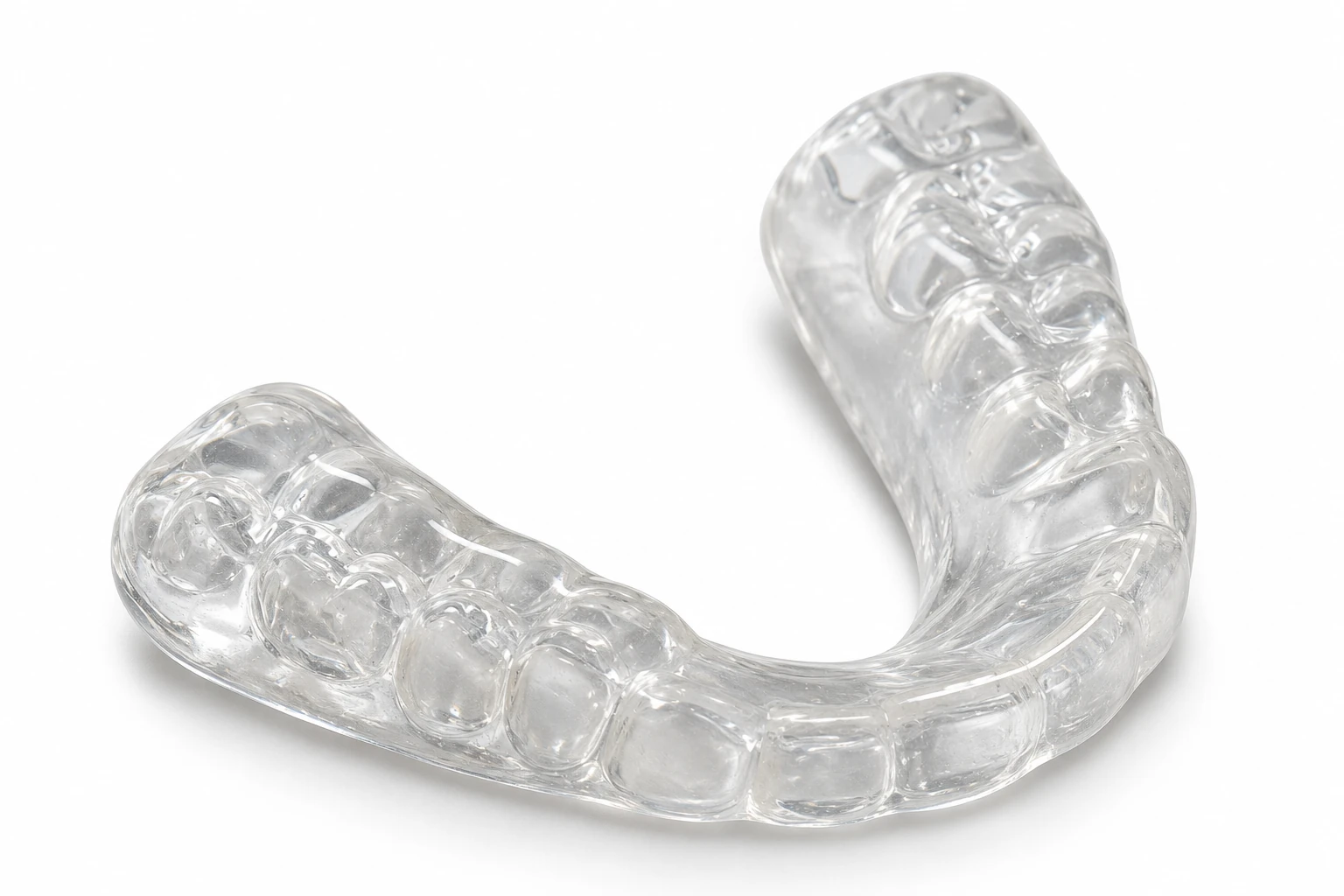
Clear thermoplastic Thermo splint

We make a thermoplastic Thermo splint to fit the shape of your teeth. We explain how long to wear it and what to watch for during use, and set the next checkup around your availability. We also look at changes in clenching during sleep and accompanying jaw discomfort.

More about the Thermo splint ↗

06 · Everyday Habits

Everyday habits to ease tension at the temples and the back of the neck

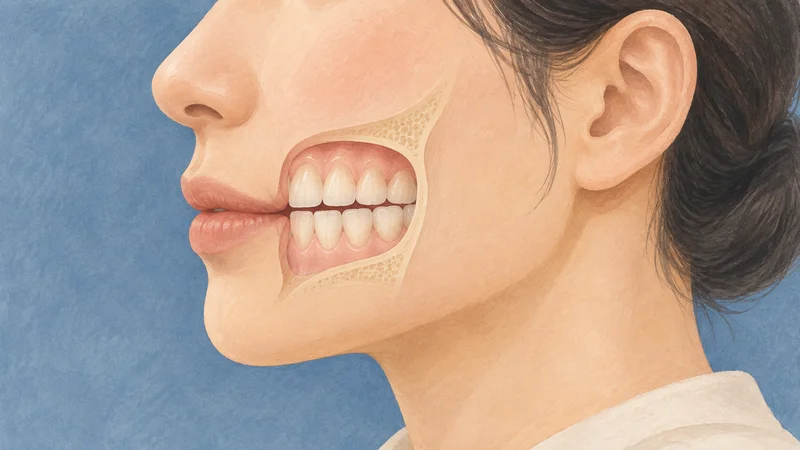
  1. A relaxed jaw with the upper and lower teeth slightly apart

    Keep your upper and lower teeth slightly apart

    When you are concentrating on work or driving, check from time to time that you are not clenching your teeth, and let your jaw and temples relax.

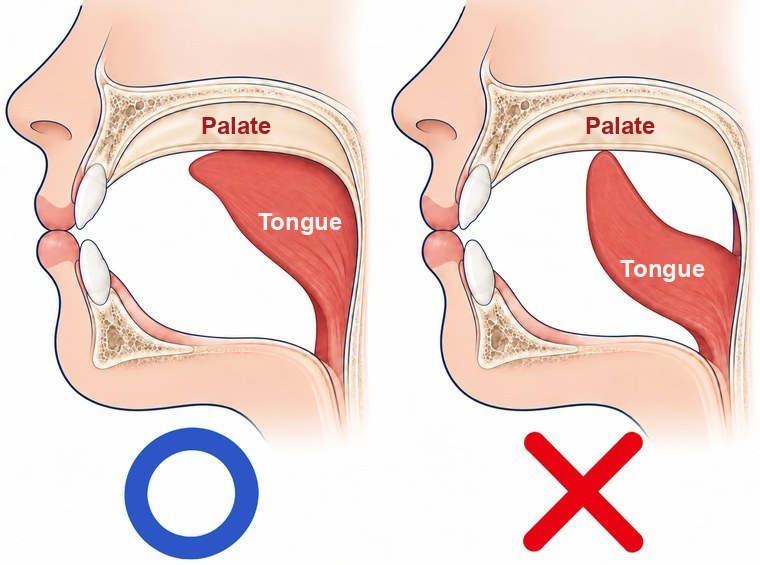
  2. Drawing comparing the tongue touching the front of the roof of the mouth and the tongue curled back

    Rest your whole tongue against the roof of your mouth

    Rest your tongue comfortably against the roof of your mouth and notice whether your jaw is tensing.

  3. A pillow comfortably supporting the head and neck when lying on one side

    Adjust your screen height and keep your neck well aligned

    A posture with the head pushed forward can strain the back of the neck, so set your screen at eye level and, when you sleep, use a pillow that does not bend your neck.

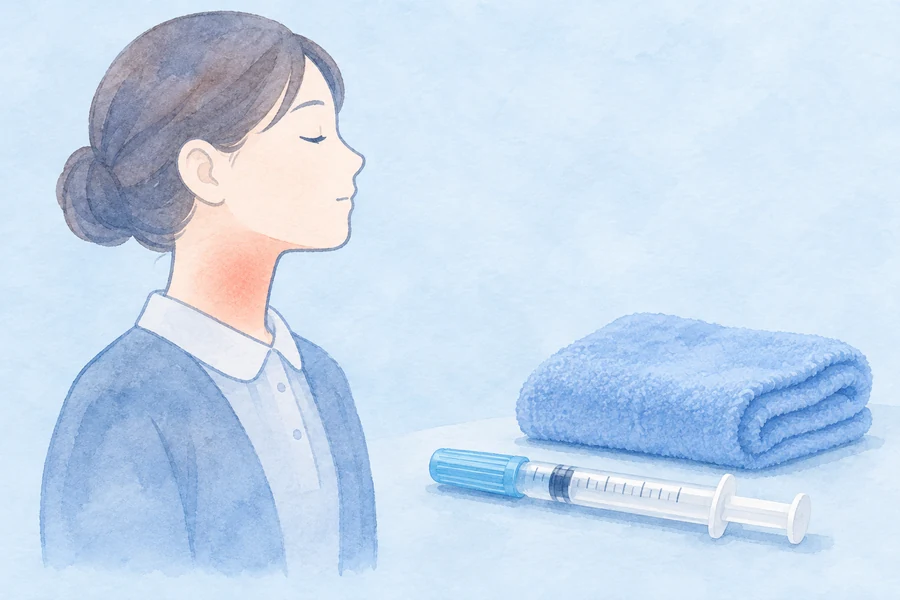
  4. A warm towel resting lightly around the jaw in front of the ear

    Warm compress on the back of the neck and temples before bed

    When the back of your neck or your temples feel stiff, you can try relaxing the muscles by applying a towel at a comfortable temperature for a short time. Stop if the warmth makes your headache more uncomfortable.

Book a Consultation Call Us +82-2-3661-2211