
Looking at one area
in context
The assessment considers the area of discomfort, movement, daily habits and how the rest of the body relates to it.
Treatment Principles · 02 Osteopathy
An osteopathic perspective on assessment,
with dental methods for treatment.
We examine how the skull and jaw relate to identify a jaw position,
then use a dental appliance to help maintain it.
01The question that started it all
In 1985, reading a paper by Ronald Roth showed Dr. Lee why orthodontics needs to take the jaw joint into account. Beginning in 1997, he spent more than 2 years attending Roth/Williams courses on functional occlusion in Korea and Japan.
Even after treatment that took the jaw joints and bite into account, some patients still reported discomfort following orthodontics.
“I know it matters, but what should the position of the lower jaw be based on?”
That question led him to study the ALF appliance and the anatomy of the skull, and eventually to osteopathy.

The search for an answer
Ronald Roth’s
paper on functional occlusion
In Korea and Japan
for more than 2 years
A closer look at
the ALF appliance
Craniosacral rhythm
as a clue to jaw position
Using a splint to maintain
the jaw position we found
02What is osteopathy?
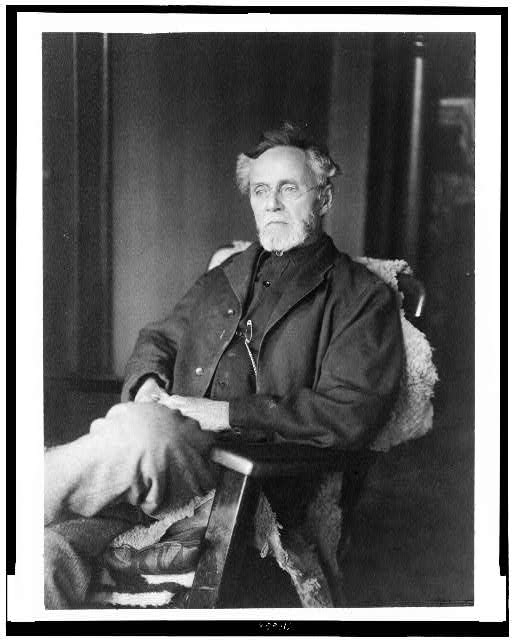
Andrew Taylor Still founded osteopathy in the United States in 1874.
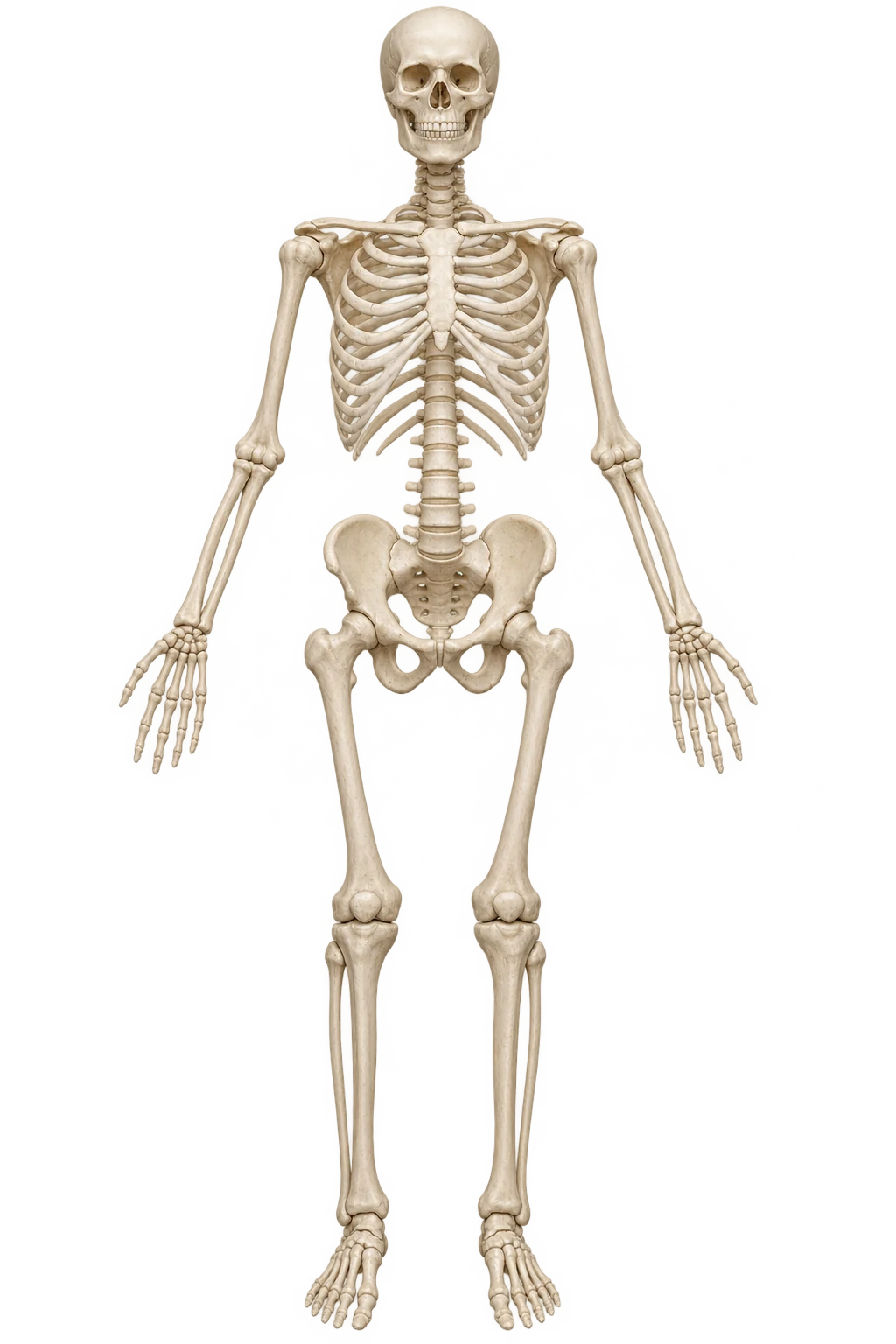
It is based on the idea that the body’s structure and function influence each other.
The assessment considers the area of discomfort, movement, daily habits and how the rest of the body relates to it.
Structures such as bones, muscles and joints and their function are understood to be related to each other.
The ability of the body to regulate itself and maintain health is one of the pillars of this approach to care.
03Craniosacral rhythm
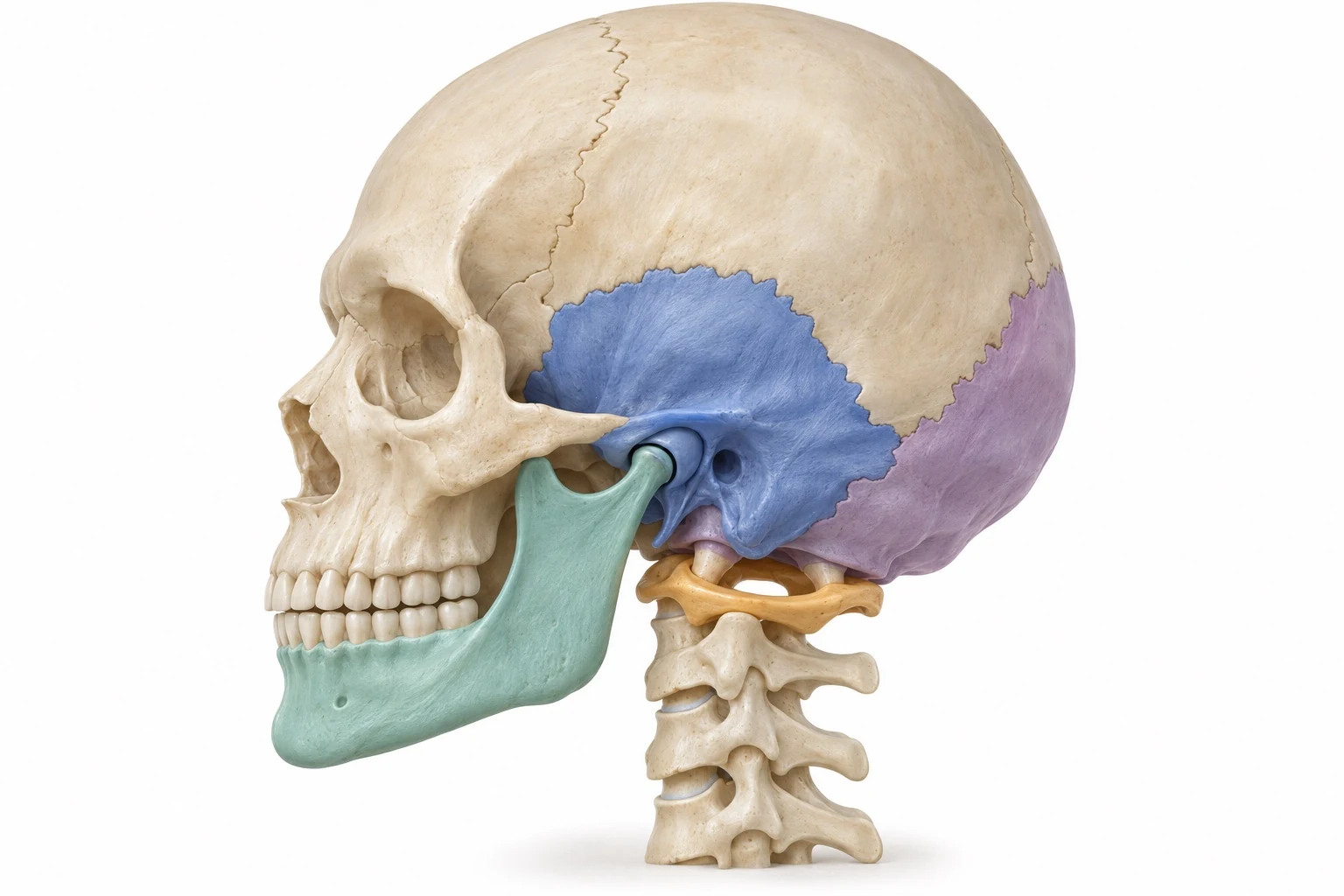
The skull consists of 22 bones in all: 8 that enclose the brain and 14 that form the face. Its base is supported by the sphenoid in the center, the temporal bones on either side and the occipital bone at the back, among others.
The lower jaw forms the jaw joint with the temporal bone on each side. Osteopathy pays attention to subtle movement and balance among the bones of the skull.
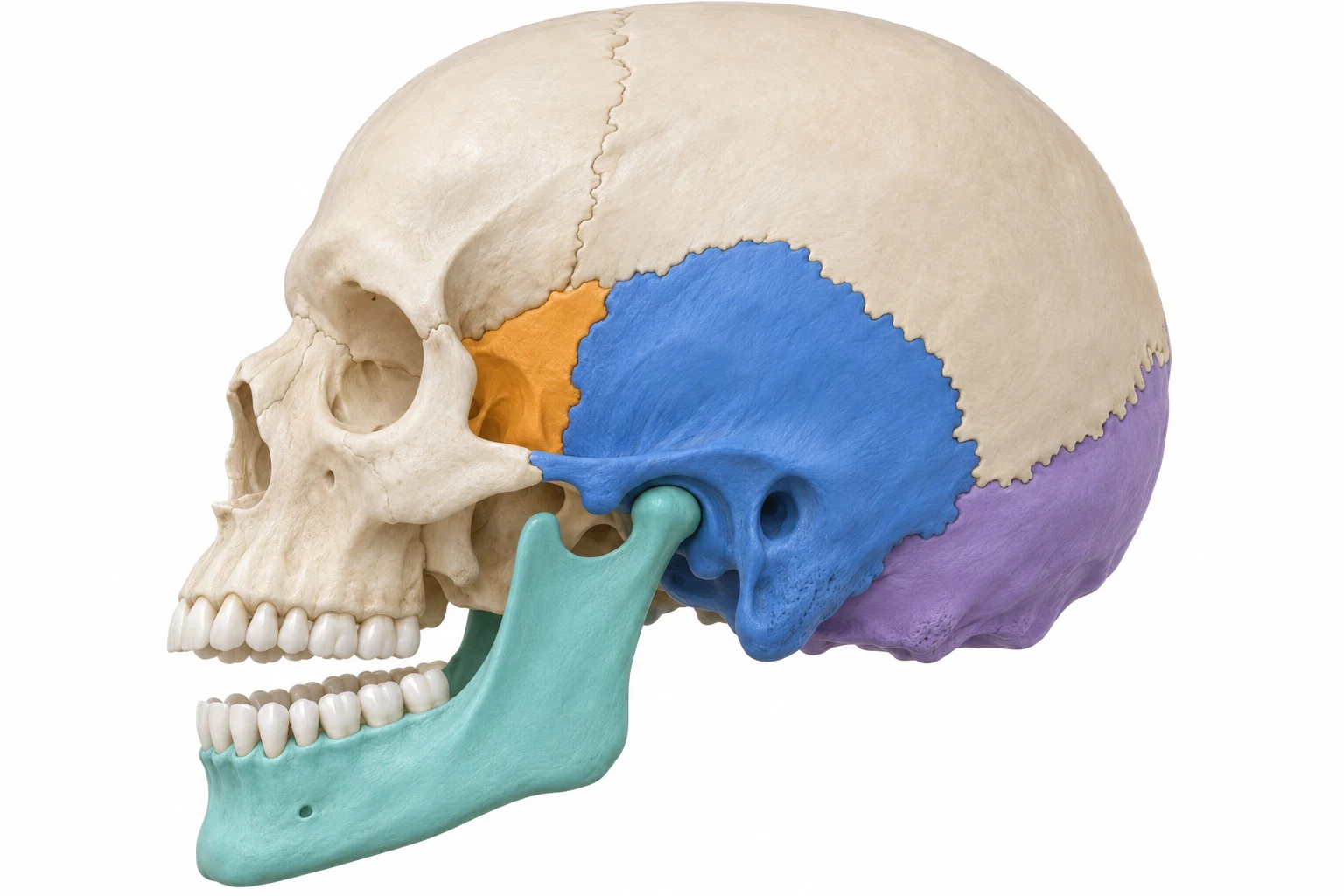
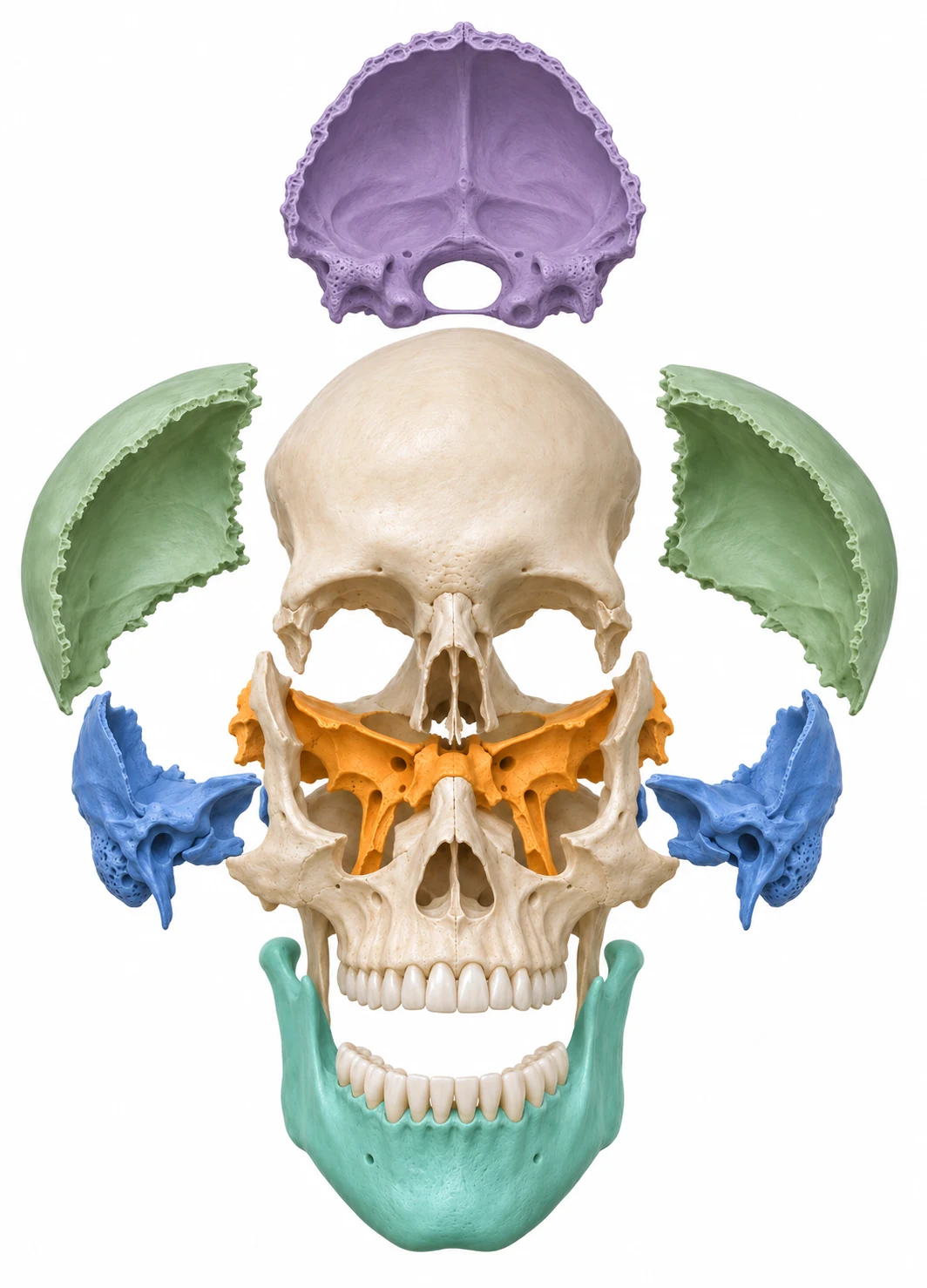
The craniosacral approach considers the skull, the sacrum and the tissues surrounding them as one functional relationship, and describes the subtle rhythmic motion felt with the hands as the “craniosacral rhythm.”
In this model, when the skull’s 22 interlocking bones fit together without misalignment, a craniosacral rhythm that expands and contracts evenly is thought to appear.
In this model, when the skull is out of alignment, the even craniosacral rhythm is thought to give way to lopsided movement that varies in direction and size from one area to another.
Why cranial osteopathy focuses on this rhythm
Cranial osteopathy regards the craniosacral rhythm not simply as movement of the skull but as a movement that expresses the body’s own capacity to regain balance and recover.
It understands the skull and sacrum, the brain and spinal cord, the membranes surrounding them and the cerebrospinal fluid as one functional relationship, and considers it important that these work in harmony so that the rhythm continues evenly and freely.
04What Dr. Lee adopted
A question inspired by osteopathy
“Could I find a lower jaw position where the craniosacral rhythm feels even?”
Dr. Lee observed the movement of the skull while making very small changes to the position of the lower jaw.
In doing so, he observed that there was a position where the rhythm felt even, and came to use this as his clinical reference for finding the jaw position.
The MCB splint is the means of maintaining the position found in this way.
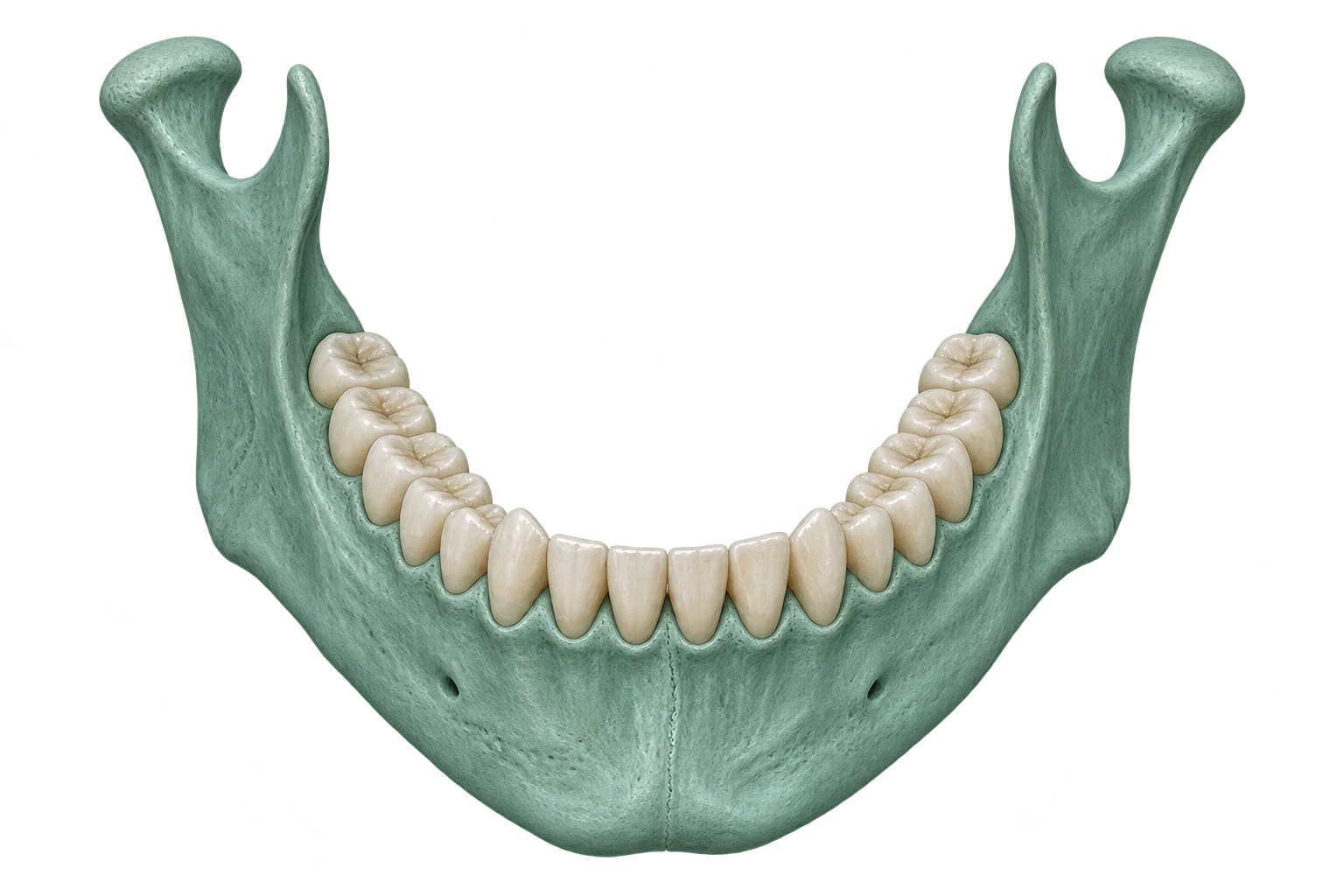
This is an explanatory model of Dr. Lee’s approach to assessment. The position and range of adjustment vary by patient.
05Osteopathy around the world
From politics and culture to sports and the arts.
These are stories of people in many fields and their connections with osteopathy.
These are accounts of medical careers, educational patronage and personal career paths. Use or endorsement by well-known people does not establish the effectiveness of any technique.
Treatment principles at a glance