
Treatment Principles · 02 Osteopathy

Osteopathy and
Dentistry

An osteopathic perspective on assessment,
with dental methods for treatment.

We examine how the skull and jaw relate to identify a jaw position,
then use a dental appliance to help maintain it.
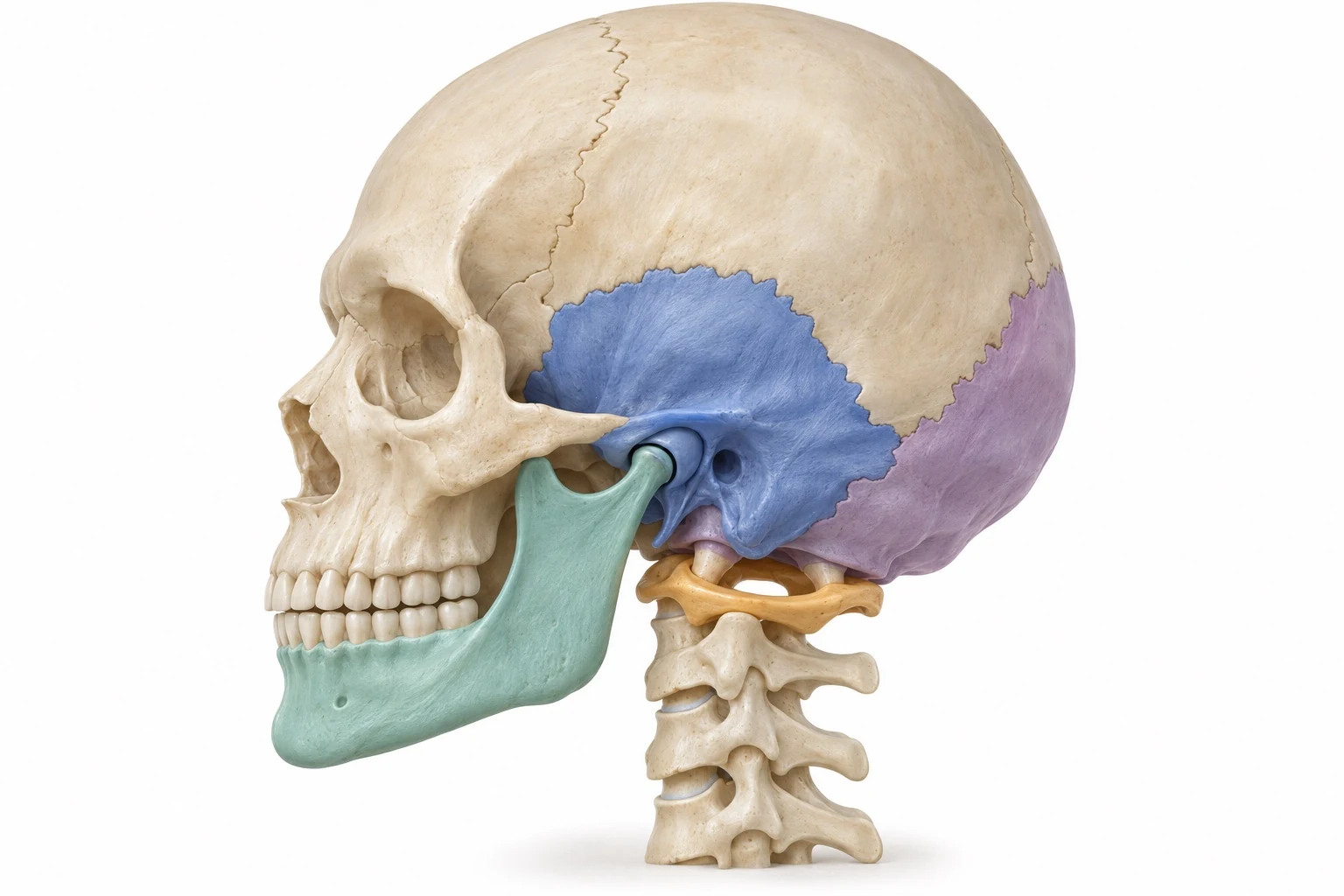
Structure · How the body connectsConnection of the lower jaw, skull and cervical spine
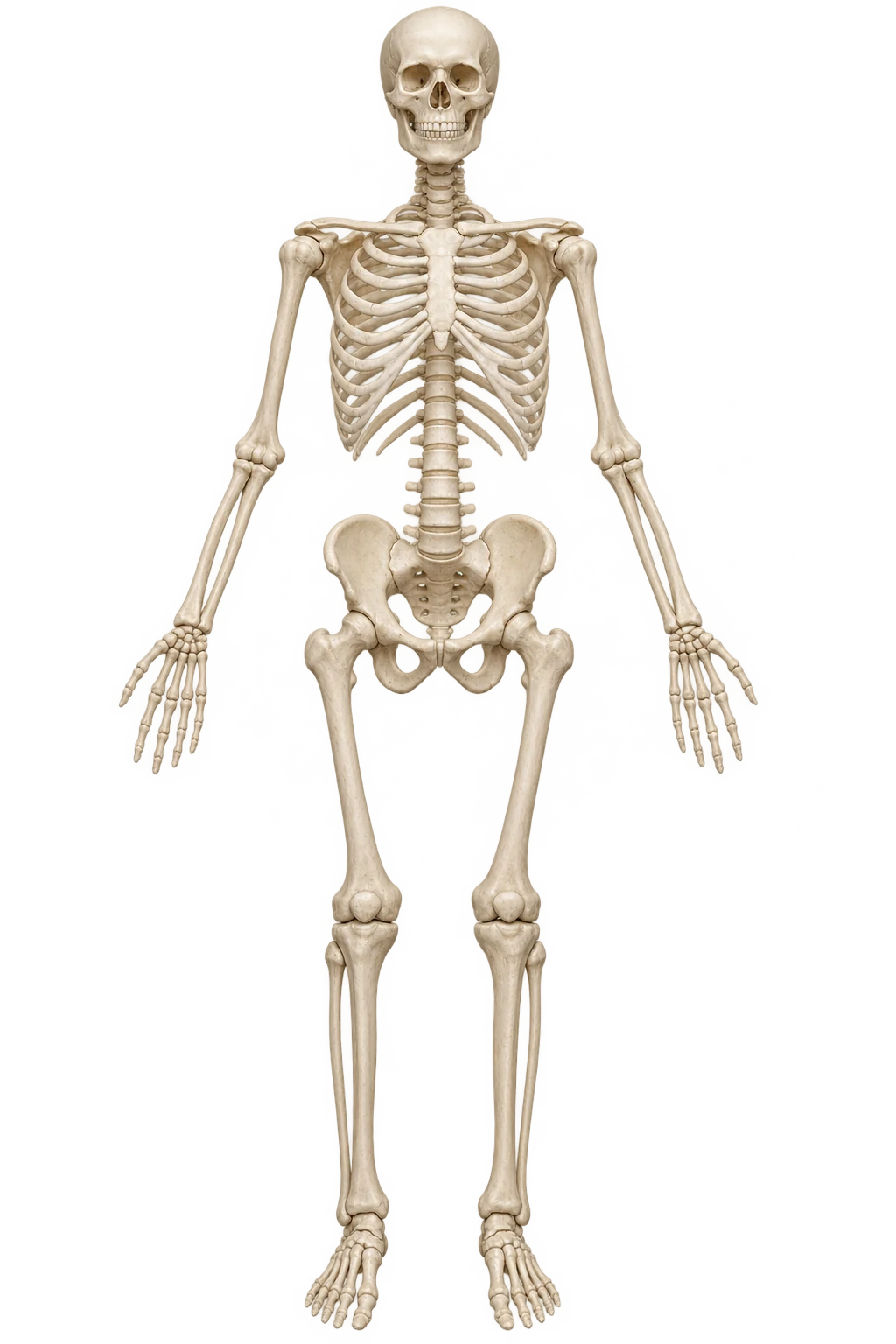
Function · How the body moves togetherFull skeleton model from head to toe

01The question that started it all

Where should we position
the lower jaw?

In 1985, reading a paper by Ronald Roth showed Dr. Lee why orthodontics needs to take the jaw joint into account. Beginning in 1997, he spent more than 2 years attending Roth/Williams courses on functional occlusion in Korea and Japan.

Even after treatment that took the jaw joints and bite into account, some patients still reported discomfort following orthodontics.

“I know it matters, but what should the position of the lower jaw be based on?”

That question led him to study the ALF appliance and the anatomy of the skull, and eventually to osteopathy.
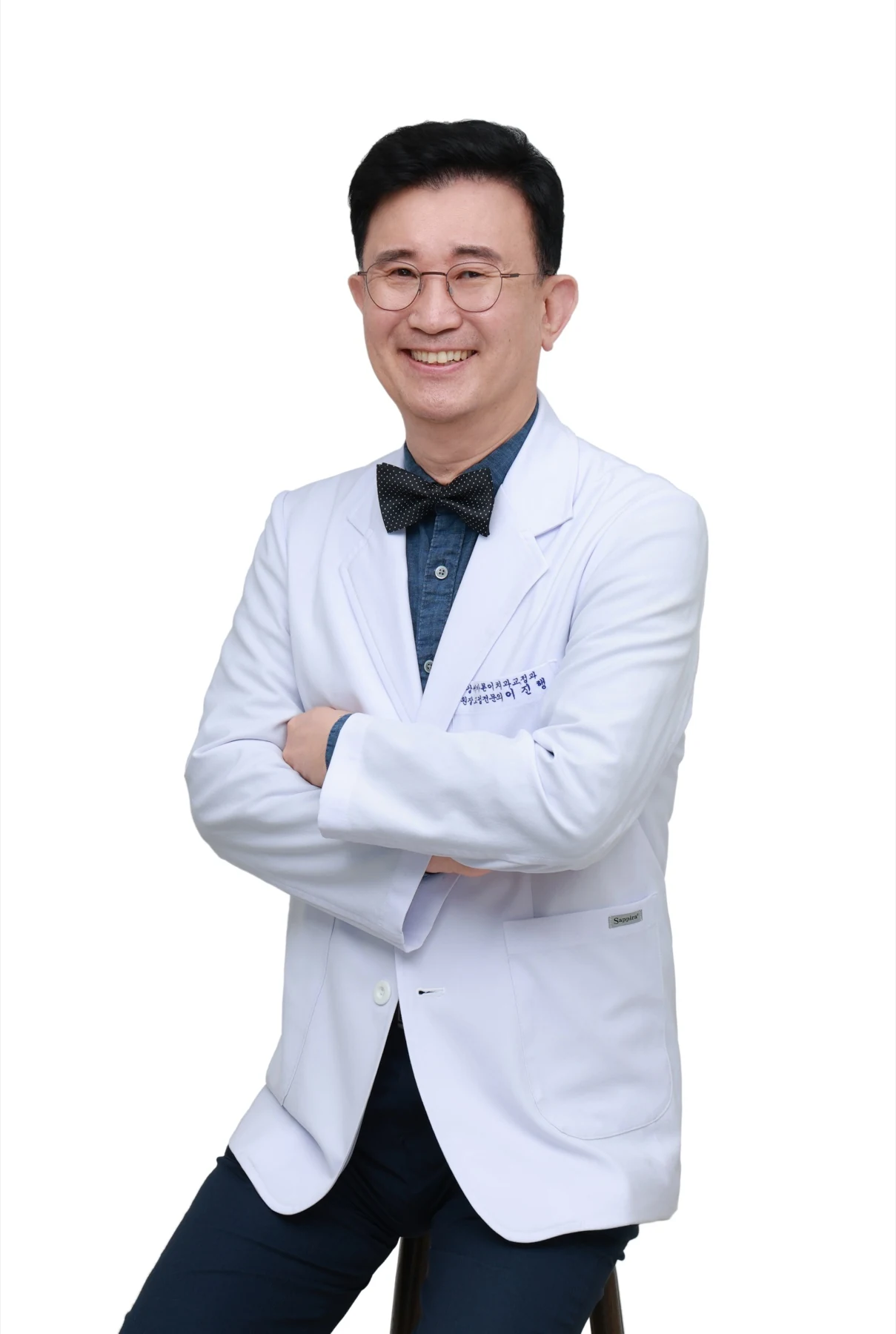
Dr. Jinhaeng Lee, GSB Orthodontics
Dr. Jinhaeng LeeHis practice looks at jaw position and the way the teeth meet, together

The search for an answer

  1. 1985

    Orthodontics and the jaw joints

    Ronald Roth’s
    paper on functional occlusion

  2. 1997

    Roth/Williams
    functional occlusion courses

    In Korea and Japan
    for more than 2 years

  3. Later

    An appliance that addresses the skull

    A closer look at
    the ALF appliance

  4. Later

    Discovering osteopathy

    Craniosacral rhythm
    as a clue to jaw position

  5. Today

    MCB Splint

    Using a splint to maintain
    the jaw position we found

02What is osteopathy?

A whole-body
approach to medicine

Andrew Taylor Still founded osteopathy in the United States in 1874.
It is based on the idea that the body’s structure and function influence each other.
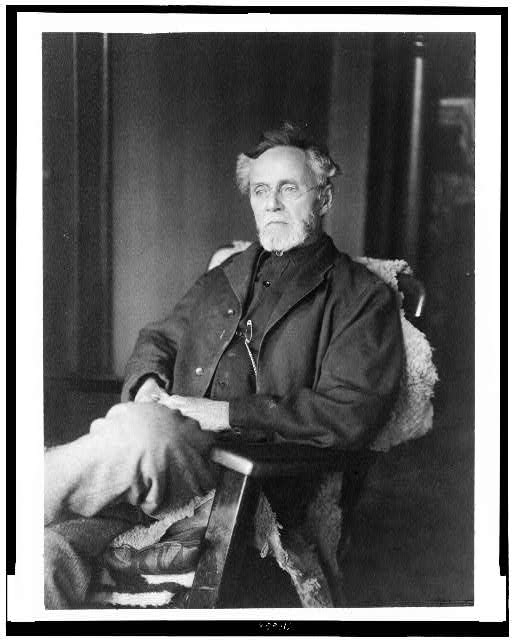
Portrait photograph of Andrew Taylor Still, founder of osteopathy
Founder of osteopathyAndrew Taylor StillAndrew Taylor Still (1828 ~ 1917)
The body as a whole

Looking at one area
in context

The assessment considers the area of discomfort, movement, daily habits and how the rest of the body relates to it.

Structure and function

How the body is built
and how it moves

Structures such as bones, muscles and joints and their function are understood to be related to each other.

Self-regulation

The body’s ability
to maintain balance

The ability of the body to regulate itself and maintain health is one of the pillars of this approach to care.

03Craniosacral rhythm

How the skull’s
22 bones fit together

The skull consists of 22 bones in all: 8 that enclose the brain and 14 that form the face. Its base is supported by the sphenoid in the center, the temporal bones on either side and the occipital bone at the back, among others.

The lower jaw forms the jaw joint with the temporal bone on each side. Osteopathy pays attention to subtle movement and balance among the bones of the skull.
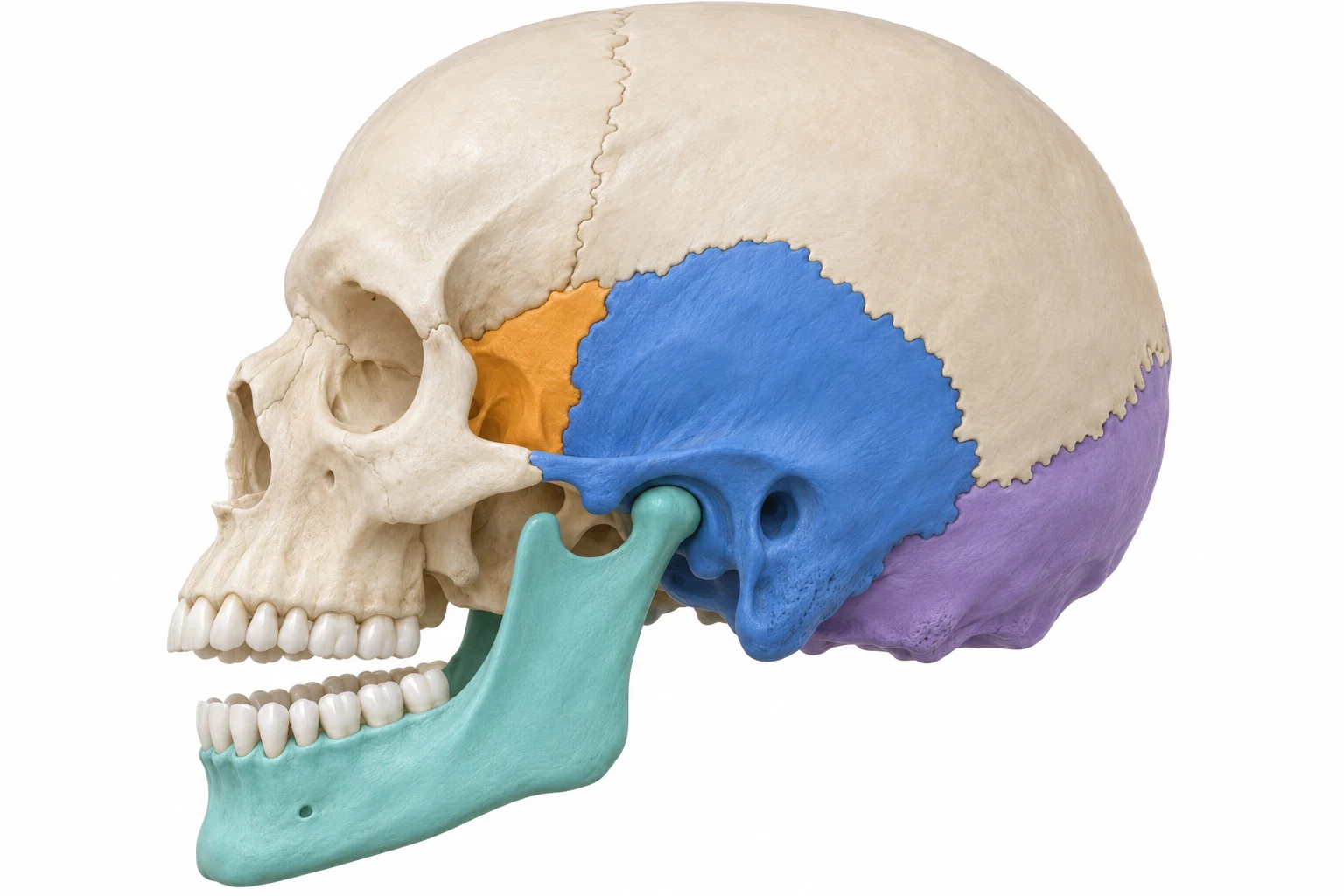
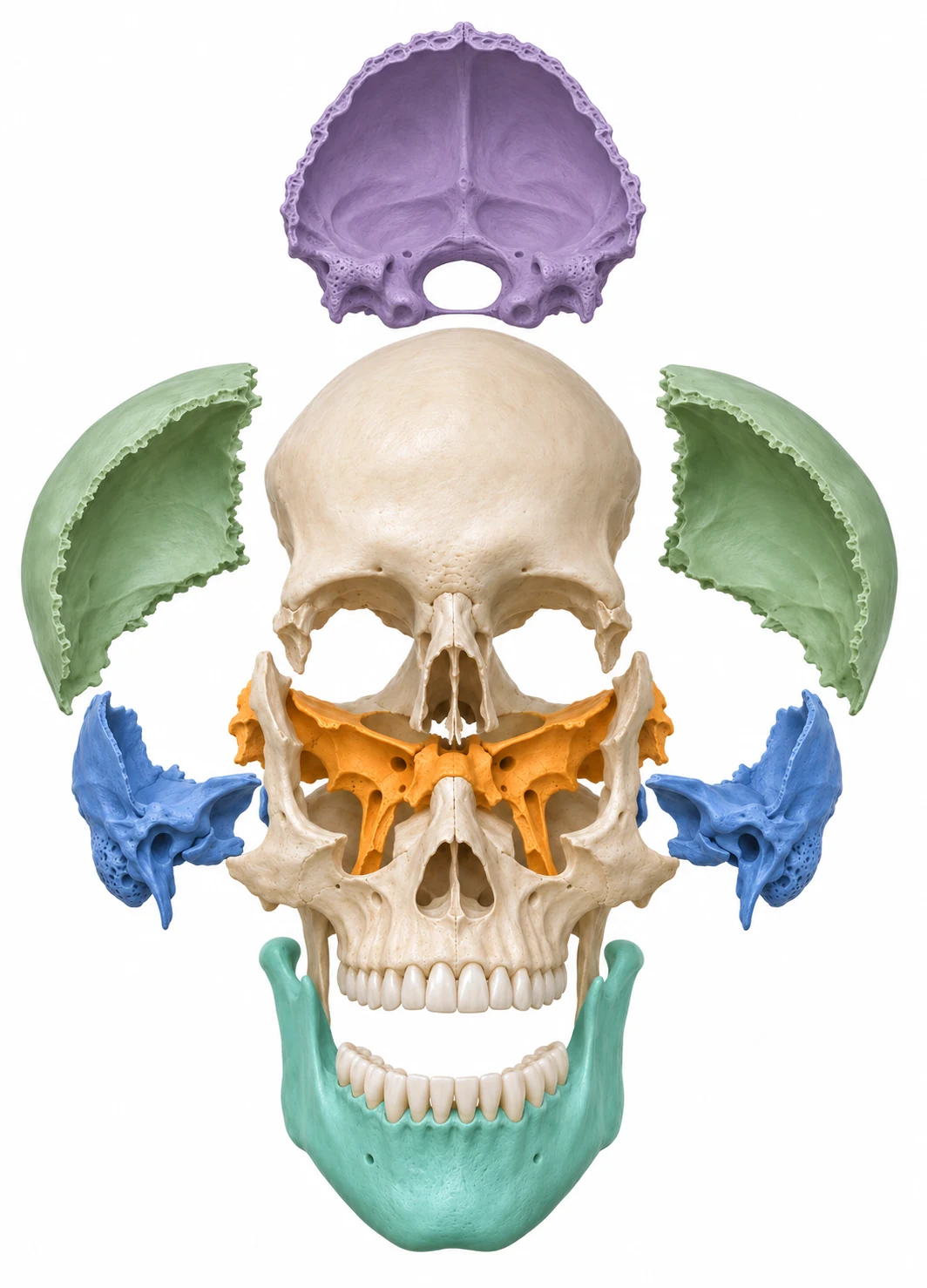
Side-view anatomical model of the skull bones interlocking along the suturesFront-view anatomical model with the skull bones separated to show the boundaries of each bone and how they fit together

The skull is thought to move as if it were breathing

The craniosacral approach considers the skull, the sacrum and the tissues surrounding them as one functional relationship, and describes the subtle rhythmic motion felt with the hands as the “craniosacral rhythm.”

When the bones fit together without misalignment

In this model, when the skull’s 22 interlocking bones fit together without misalignment, a craniosacral rhythm that expands and contracts evenly is thought to appear.

When the skull is out of alignment

In this model, when the skull is out of alignment, the even craniosacral rhythm is thought to give way to lopsided movement that varies in direction and size from one area to another.

Why cranial osteopathy focuses on this rhythm

A proposed expression of the body’s inherent vitality and
its capacity to heal itself

Cranial osteopathy regards the craniosacral rhythm not simply as movement of the skull but as a movement that expresses the body’s own capacity to regain balance and recover.

It understands the skull and sacrum, the brain and spinal cord, the membranes surrounding them and the cerebrospinal fluid as one functional relationship, and considers it important that these work in harmony so that the rhythm continues evenly and freely.

04What Dr. Lee adopted

Using craniosacral rhythm
as a clue to jaw position

A question inspired by osteopathy

“Could I find a lower jaw position where the craniosacral rhythm feels even?”

Dr. Lee observed the movement of the skull while making very small changes to the position of the lower jaw.

In doing so, he observed that there was a position where the rhythm felt even, and came to use this as his clinical reference for finding the jaw position.

The MCB splint is the means of maintaining the position found in this way.
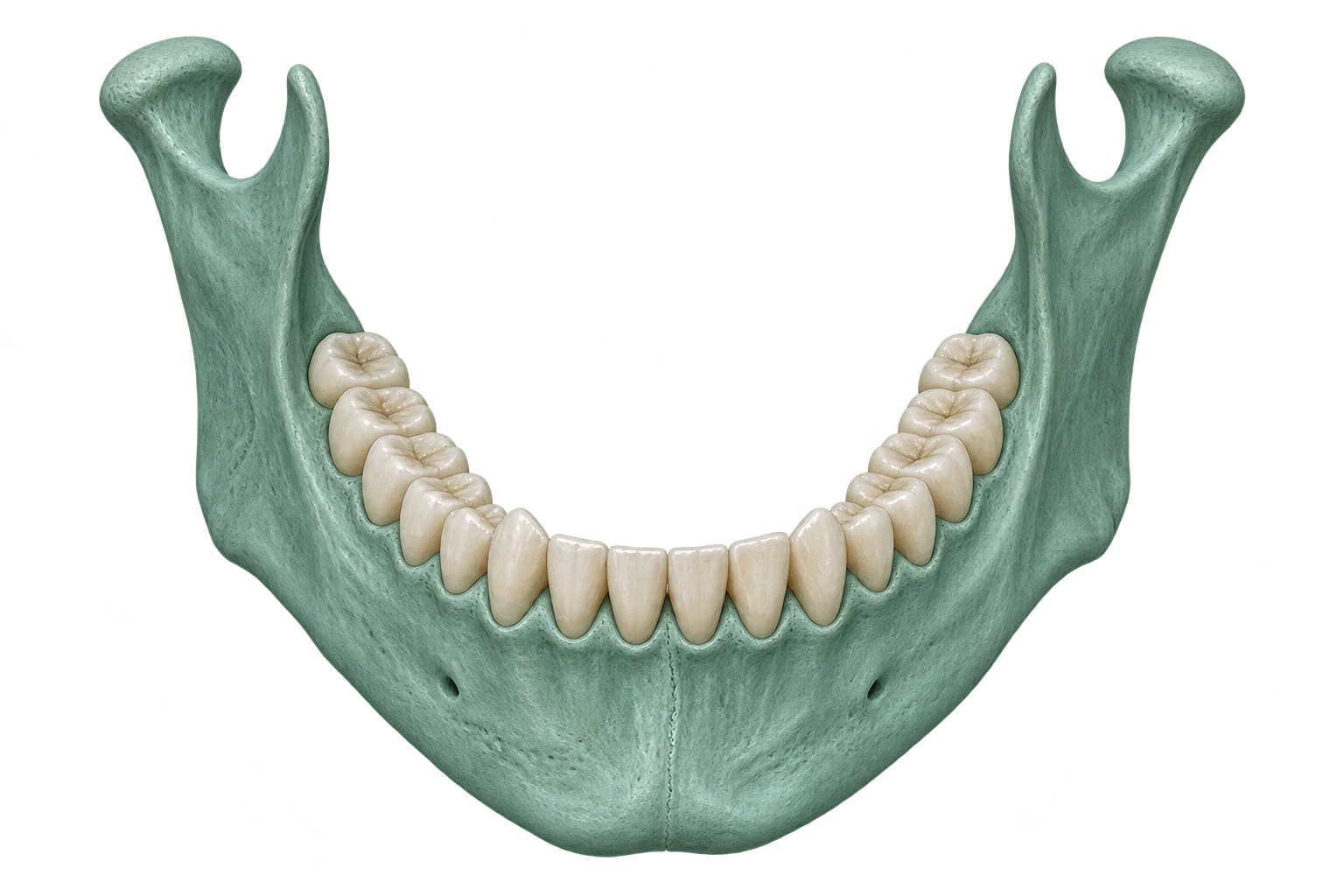
01 · Three-Dimensional Position of the Lower Jaw

Fine adjustments on a micron scale

Anatomical model of the whole skull with the lower jaw separated
02 · Once a Position Is Found

Craniosacral rhythm

Explore jaw position→Check craniosacral rhythm→Make a custom splint

This is an explanatory model of Dr. Lee’s approach to assessment. The position and range of adjustment vary by patient.

05Osteopathy around the world

Around the world,
people who chose osteopathy

From politics and culture to sports and the arts.
These are stories of people in many fields and their connections with osteopathy.

01 · Physicians to the President

The osteopathic physicians
who cared for Trump and Biden

Sean Conley · Kevin O’Connor · Sean Barbabella

During President Trump’s first term, Sean Conley, DO, served as physician to the president from 2018 to January 2021. Kevin O’Connor, DO, then served as President Biden’s physician.

In 2025, Sean Barbabella, DO, was appointed physician to the president for Trump’s second term. Osteopathic physicians have thus been responsible for the medical care of U.S. presidents three times in a row.

American Osteopathic Association · Three successive DOs in the role ↗U.S. Defense Health Agency · White House physicians ↗
02 · British Royal Patronage

Royal support for
osteopathic education

Anne, Princess Royal · Osteopathic education patron

Princess Anne became patron of the British School of Osteopathy (BSO) in 1984. The school’s published history records how she has continued her relationship with the institution since then, including attending graduation ceremonies.

Health Sciences University · School history ↗
03 · Trust in the World of Sports

Competing at the highest level
with scoliosis: Usain Bolt

Usain Bolt · The Müller-Wohlfahrt clinic that cared for him

Usain Bolt, the world’s fastest man, also had to manage a physical imbalance of his own. Born with scoliosis, he strengthened his back and steadily managed his condition while competing at the highest level.

At his side was the German orthopedic and sports medicine specialist Hans-Wilhelm Müller-Wohlfahrt. In a 2011 interview, Bolt said he had already been seeing him for 7 years and visited four or five times a year for prevention and care. Müller-Wohlfahrt also spent many years caring for FC Bayern Munich and the German national soccer team.

A physician who examines by touch

Hands are an important tool in Müller-Wohlfahrt’s practice. He listens fully to the patient and examines the muscles and joints by touch for changes in tension and movement as he looks for the cause of a problem.

In an interview published by the clinic, he emphasizes that imaging alone is not enough and the patient’s body needs to be examined by hand. He uses X-rays or MRI when needed, but first places great weight on understanding the body through the patient’s history and palpation.

The clinic does not rely on a single method. Its treatment guide describes an approach that combines physical therapy and osteopathy with exercise or rehabilitation where needed. Sports medicine and osteopathy meet in the same setting to look after the athlete’s body together.

04 · From Dancer to Osteopath

From the stage of Swan Lake
to an osteopath’s treatment room

Dancer and UK osteopath · Toby Pollard-Smith

Former professional ballet dancer Toby Pollard-Smith performed with the Israel Ballet and in Matthew Bourne’s Swan Lake. While preparing for life after the stage, he studied osteopathy and qualified as a UK osteopath in 2014.

His own account, written for the British Association for Performing Arts Medicine (BAPAM), shows how someone who once expressed himself through his body became a practitioner who understands performers’ working lives and injuries.

BAPAM · From dancer to osteopath, in his own words ↗
05 · Mark Twain’s Advocacy

From seeking care for his daughter
to advocating for osteopathy

Author of The Adventures of Tom Sawyer · Mark Twain

Mark Twain’s interest in osteopathy began with his family. When his youngest daughter Jean developed epilepsy, the family traveled through Europe seeking care. In Sweden, Jean received a form of manual therapy similar to osteopathy from Henrik Kellgren.

According to the ATSU Museum of Osteopathic Medicine, Twain’s sense that his daughter had benefited from her care led him to support osteopathy. His interest also brought him into contact with its founder, Still. In 1900, he wrote to Still to help a young man trained by Kellgren study osteopathy in the United States.

Twain turned his personal trust into public support. In 1901, he appeared in person at a New York State legislative hearing in support of a bill recognizing osteopathic practice. He was a prominent voice for the legal recognition of osteopathy.

ATSU Museum of Osteopathic Medicine · Family experience and advocacy ↗Museum archive · Contemporary account of the 1901 hearing ↗

These are accounts of medical careers, educational patronage and personal career paths. Use or endorsement by well-known people does not establish the effectiveness of any technique.

An osteopathic perspective on assessment, with dental methods for treatment

How do we maintain
the jaw position we found?

③ Custom MCB Splint